Investor Commentary Q2 2025
Key Takeaways:
- Markets Were Volatile, But Ended Up.
- Economic Growth Is Slowing Beneath the Surface: Tariff-related distortions masked weakening trends in travel, housing, and employment.
- Short-Term Stimulus, Long-Term Risks: Proposed tax cuts may deliver a temporary boost but add historic levels of debt, fueling inflation and higher interest rates.
- Staying Disciplined Pays Off: A risk-aware, diversified approach helps avoid major losses and positions portfolios for future uncertainty.
A drama in many acts, Q2 began with the S&P 500 dropping 11.51% only to end up gaining 10.13%: a large range of almost 22 percentage points. Similar action occurred in the bond markets with the US Treasury dropping 10.29%; ultimately gaining 4.42%. The drivers of this variability—dramatic trade actions against a neutral but nervous economic outlook—continue into Q3.
Where do we see the economy going and how it will affect investors going forward? The forecast is not simple because there are huge events that look like they will make things cooler, then hotter, and then cool again. The initial slowing impetus would seem to be the tariffs, however stockpiling in Q1 resulted in a dramatic drop in imports in Q2 leading to the illusion of a growing economy. To get a true sense of the economy without all the tariff noise, I look at a measure called “real final sales” which indicates we are experiencing a slow decline in US economic growth. Empirical data confirms this: for example, fewer people are going through TSA checkpoints, hotel reservations are down, home construction is slowing, and we are also seeing unemployment rise. Further downward pressure stems from the Doge cuts in government spending and immigration restrictions.
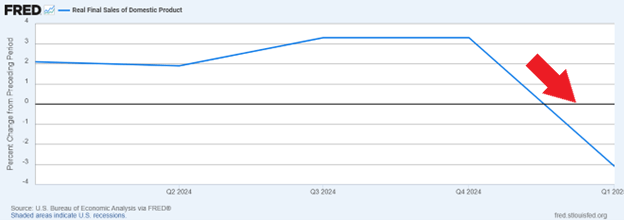
Fig 1: GDP Growth declines when we net out the ups and downs of the trade war.
Offsetting the decline will be a stimulative “jolt of sugar,” in the form of tax refunds from the passage of the “Big Beautiful Bill”. Doing so increases the credit for children, zeros out taxes on tips & overtime and lower taxes for senior citizens. Amazingly it also raises the debt by an eye popping $4-5 trillion – the largest ever! [1]
It is interesting when we remember that these tax reductions will retroact to the beginning of 2025 and yet we have been withholding and paying tax estimates under the former higher tax regime. It will have a stimulative impact; but like a sugar high, it's going to be a one-time hit and then it's going to go away. Thereafter, we're stuck with a debt hangover on top of a slowing economy facing the prospect of inflation (from the tax and trade jolts) combined with higher interest rates (from the massive new debt hitting against reduced investor demand from a lack of trade revenues due to the trade restrictions).
While this makes the outlook challenging for investors, it underscores the importance of avoiding the fool’s errand of chasing the ups and downs and instead focus on where things could end up relative to our longer-term time horizons. For a clue, we might want to look at how the Fed is addressing these risks. The Central Bank is more worried about the “hotter” act in the story. This is because they measure the potential of inflation to be 1% higher than their target and unemployment to be only about 0.3% higher, leading to the conclusion that inflation is the most likely and intractable threat. Consequently, they are not prone to cut rates in spite of withering political pressure to do so. However, we want to remember that whatever the Fed does, it only affects short- term rates, not the long term, which should start trending higher.
How will the tariff question ultimately end? We don’t know, however so far no “deals” have been done except for a modest paper concession for Great Britain. China is girding their economy for a long tariff drought. Tariffs are inflationary, it’s just a question of extent, and inflation is a direct input into interest rates. So we expect interest rates to rise and the bond market to sell off as it did last quarter. The current stock market mood mirrors an ending of tariffs, not the reality that they have only been delayed for 90 days to early July. As we noted at the start: the bond market is cycling in synch with the stock market.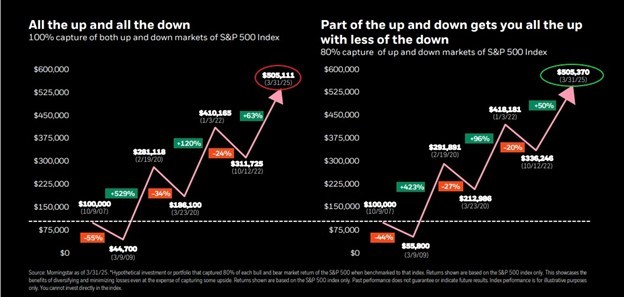
Fig 2: Same return—more money. Lose less to make more.
The cycle of ups and downs continues, presenting risk and uncertainty. This makes it imperative that you define your time horizons for different goals and the amount of risk you can take to get there.
[1] The bill currently contains an “Easter egg” for many clients that might enable tax advantages for donations to schools potentially lowering their net cost. We will advise clients of any needed actions in separate financial planning discussion if it applies.
Copyright 2025 Camelotta Advisors, All Rights Reserved. The commentary on this website reflects the personal opinions, viewpoints and analyses of the Camelotta Advisors employees providing such comments, and should not be regarded as a description of advisory services provided by Camelotta Advisors or performance returns of any Camelotta Advisors Investments client. The views reflected in the commentary are subject to change at any time without notice. Nothing on this website constitutes investment advice, performance data or any recommendation that any particular security, portfolio of securities, transaction or investment strategy is suitable for any specific person. Any mention of a particular security and related performance data is not a recommendation to buy or sell that security. Camelotta Advisors manages its clients’ accounts using a variety of investment techniques and strategies, which are not necessarily discussed in the commentary. Investments in securities involve the risk of loss. Past performance is no guarantee of future results.
Get in Touch
You can send us an email or schedule a phone call with your team by using the calendar provided here.
Camelotta Advisors is a Registered Investment Adviser. Advisory services are only offered to clients or prospective clients where Camelotta Advisors and its representatives are properly licensed or exempt from licensure. This website is solely for informational purposes. Past performance is no guarantee of future returns. Investing involves risk and possible loss of principal capital. No advice may be rendered by Camelotta Advisors unless a client service agreement is in place.
Enter your text here...